For many years, purchasing a property in a tourist destination was viewed primarily as a lifestyle decision.
A beachfront apartment was the place a family returned to during the summer. A second home provided an escape for a few weeks each year. In many cases, however, the property remained unoccupied for much of the time.
The real estate landscape has evolved.
Today, a residence in a destination such as Puerto Plata can serve several purposes at once. It can be a place to enjoy with family, a second home, a private retreat, and, depending on the property and market conditions, an asset that forms part of a broader long-term wealth strategy.
This shift in perspective is particularly relevant along the northern coast of the Dominican Republic, where tourism, residential development, and demand for vacation properties continue to intersect.
That raises a different question for prospective buyers:
What if a property purchased for enjoyment could also become part of your long-term wealth strategy?
When a Vacation Property Becomes a Long-Term Asset
The difference begins with how the purchase is viewed.
Buying exclusively for vacation purposes means focusing primarily on personal use: when the property will be occupied, how comfortable it is, how close it is to the beach, and what kind of experience it provides.
A long-term asset requires a broader perspective.
The property must also be evaluated in terms of location, demand, quality, flexibility of use, operating costs, management, and its ability to remain attractive to future buyers or guests.
This does not mean that every property in a tourist destination is automatically a good investment.
Nor does it mean that rental income or appreciation is guaranteed.
It means that a buyer can approach the acquisition from a more comprehensive perspective: enjoying the property today while considering what it could represent tomorrow.
Puerto Plata: When the Destination Becomes Part of the Value
In tourism-driven real estate, a property does not exist in isolation.
Location plays a fundamental role.
An apartment may offer excellent finishes and an attractive layout, but its relationship with the surrounding destination can have a significant impact on both the owner’s experience and the property’s potential use.
Puerto Plata offers a distinctive combination within the Dominican Republic.
The province brings together beaches, established tourism infrastructure, nature, historic attractions, gastronomy, and international air access. It is also benefiting from continued attention to tourism development and the growth of the cruise industry.
For real estate, this creates an important dynamic: as a destination attracts visitors, demand for different types of accommodation can expand, while well-located residential properties may become increasingly relevant to both buyers and travelers.
That is why evaluating a residence in Puerto Plata means looking beyond the apartment itself.
You also have to look at the destination.
A Second Home Can Serve More Than One Purpose
A second home has traditionally been viewed as a lifestyle purchase.
But the concept can be approached differently.
Consider a buyer who purchases an apartment in Puerto Plata primarily for personal use.
During certain weeks of the year, the property belongs entirely to the owner and their family.
During periods when it is not being used, the owner may have the option to explore short-term rental opportunities, provided that the property’s rules, management structure, and applicable regulations allow it.
This creates a more flexible ownership model.
Instead of being simply an apartment that sits vacant for much of the year, the property can potentially serve different purposes throughout the year.
The owner can use it when desired and consider generating rental income when it is not being occupied.
The objective is not necessarily to purchase solely for rental purposes.
It is to own a property that can adapt to different needs and stages of life.
The Value of Owning a Place You Can Enjoy
There is another element that is often overlooked in purely financial analyses: personal use has value.
A property can generate income, but it can also generate experiences.
Owning an apartment in Puerto Plata gives a family a place of its own for vacations, celebrations, extended stays, or time with friends and relatives.
It can also provide an alternative for people who want to spend longer periods on the northern coast without relying exclusively on hotel availability.
That personal benefit has both practical and emotional value.
For some buyers, therefore, the right question is not simply:
“How much income can this property generate?”
A better question may be:
“What value can this property provide over the next several years?”
The answer could include personal enjoyment, accommodation, flexibility, potential rental income, and long-term ownership.
The Evolution of Tourism-Oriented Residential Real Estate
The traditional boundaries between hotels, residential properties, and vacation rentals have become increasingly flexible.
Across the Dominican Republic, tourism-oriented developments are creating residential models in which private residences coexist with hospitality services, property management, amenities, and vacation experiences.
This evolution is particularly relevant in coastal destinations.
A buyer is not necessarily purchasing square footage alone.
They are also purchasing access to a location, a lifestyle, and an ecosystem of services that can influence how the property is used and experienced.
That changes the way a vacation-oriented residence should be evaluated.
Marien Residences as an Example of the Concept
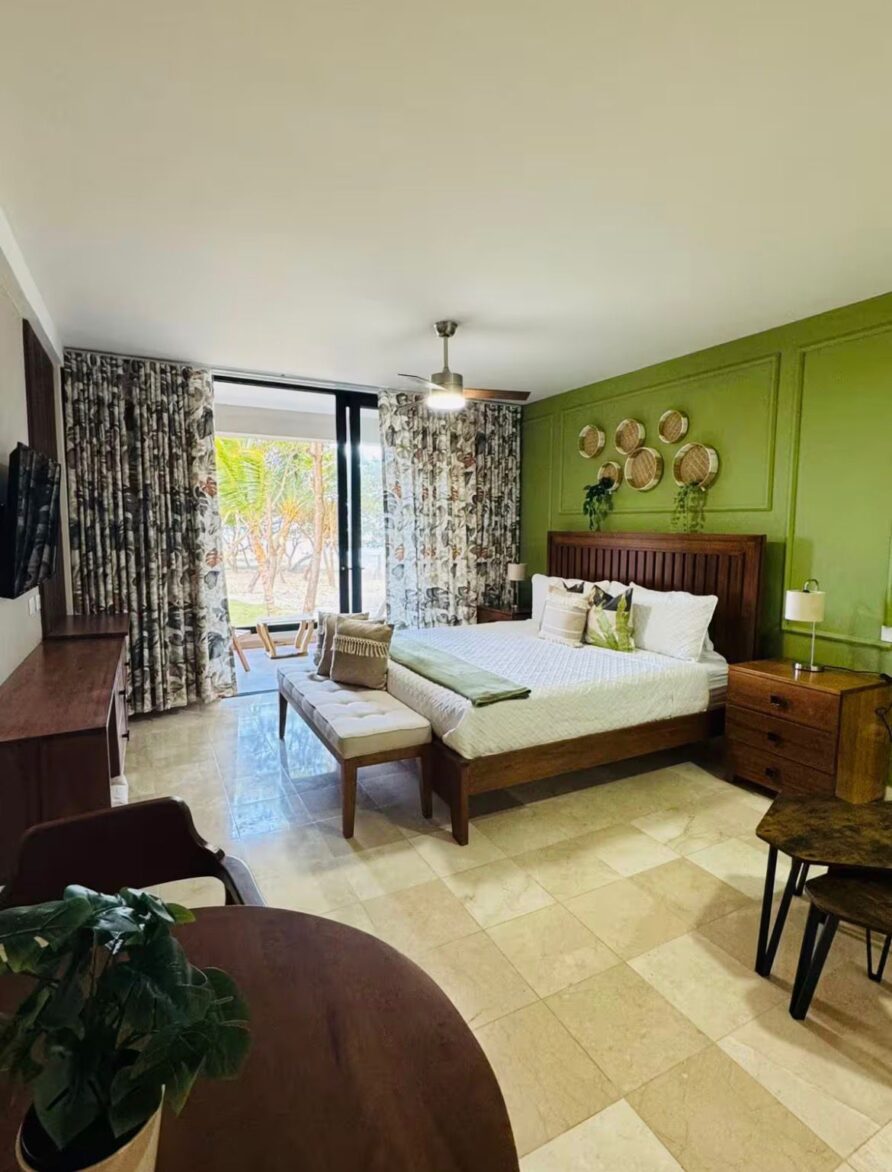
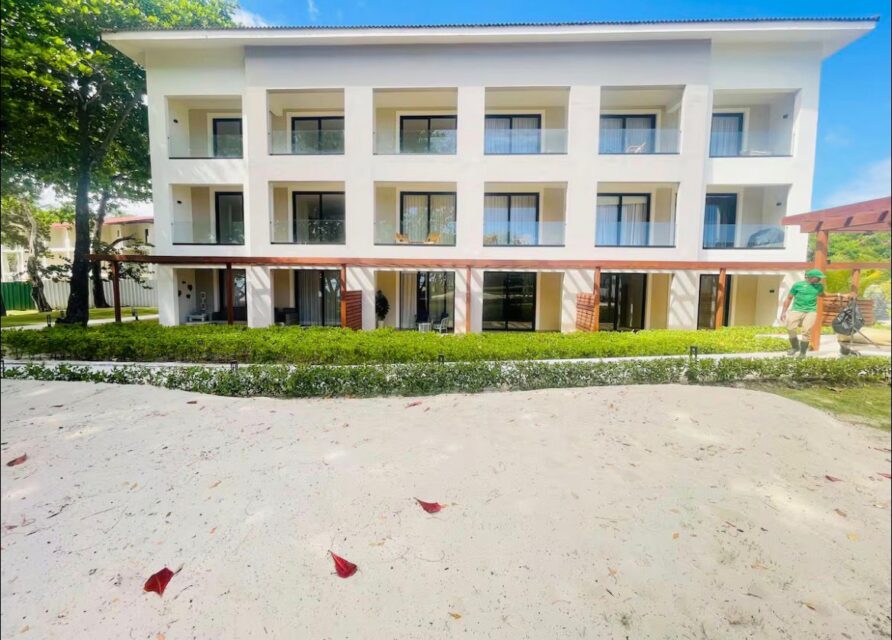
Marien Residences, located in Costa Dorada, Puerto Plata, provides an example of this type of residential concept.
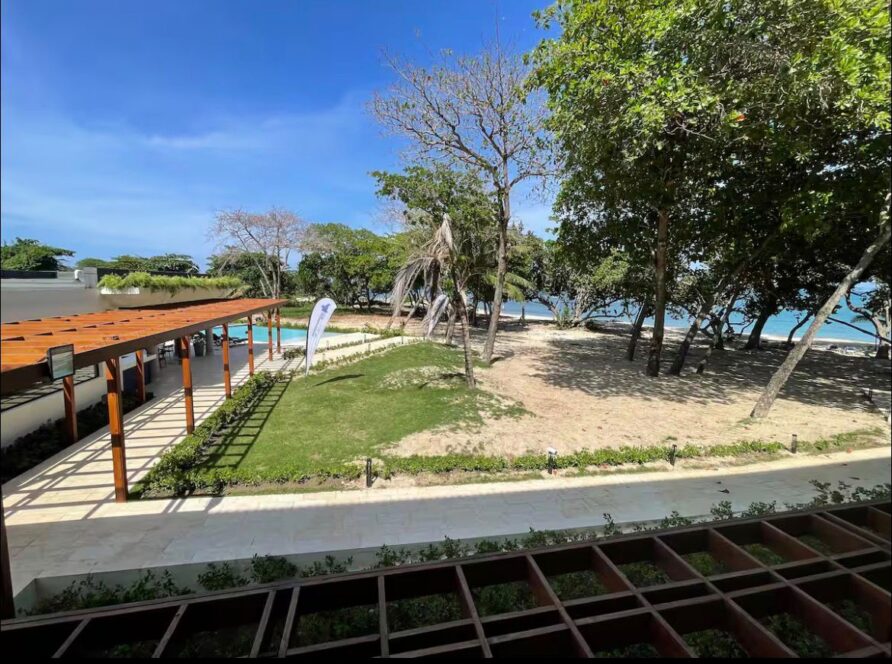
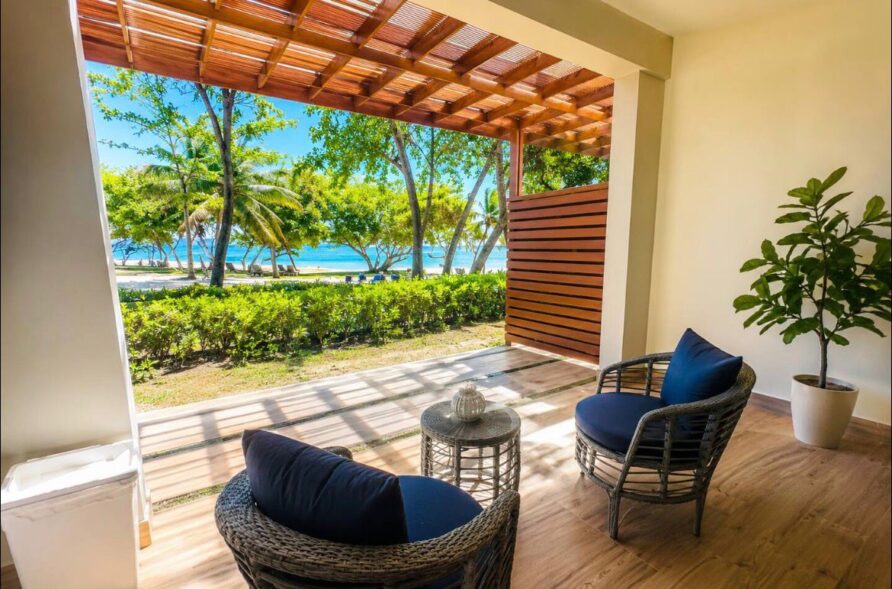
The development presents beachfront residences within a tourism-oriented environment, with access to the beach, pools, restaurants, and additional amenities. Its current offering includes apartments designed for residential ownership as well as vacation stays.
According to information published about the development, Marien Residences consists of 113 apartments, including one- and two-bedroom residences, within a project that combines residential and tourism-oriented elements.
The significance of this concept is not simply the number of units.
It is the flexibility a property can potentially offer its owner.
Living, Vacationing, or Investing
A tourism-oriented residence can serve different purposes depending on the owner’s circumstances and long-term objectives.
For someone who works full-time and travels periodically, it can function as a second home.
For a family, it can become a dedicated vacation residence.
For an international owner, it can provide a permanent connection to the Dominican Republic.
For an investor, it may form part of a broader real estate portfolio.
And for someone combining several of these objectives, it can potentially serve all of them.
That flexibility is one of the most compelling aspects of this type of property.
Ownership Does Not Mean Guaranteed Returns
This distinction is essential.
Describing a property as a long-term asset does not mean promising a specific return on investment.
Real estate performance depends on multiple variables.
These may include:
- Purchase price.
- Specific location.
- Property characteristics.
- Maintenance and condition.
- Tourism demand.
- Seasonality.
- Rental rates.
- Occupancy levels.
- Property management costs.
- Maintenance expenses.
- Insurance.
- Applicable taxes and fees.
- Market conditions at the time of resale.
Even a property in an attractive tourism destination may experience periods of lower demand.
A responsible real estate strategy should therefore be based on actual figures, realistic assumptions, and conservative scenarios rather than relying solely on projected returns.
Why Beachfront Location Matters
Within tourism-oriented real estate, there is an important distinction between being located in a beach destination and being directly connected to the beach experience.
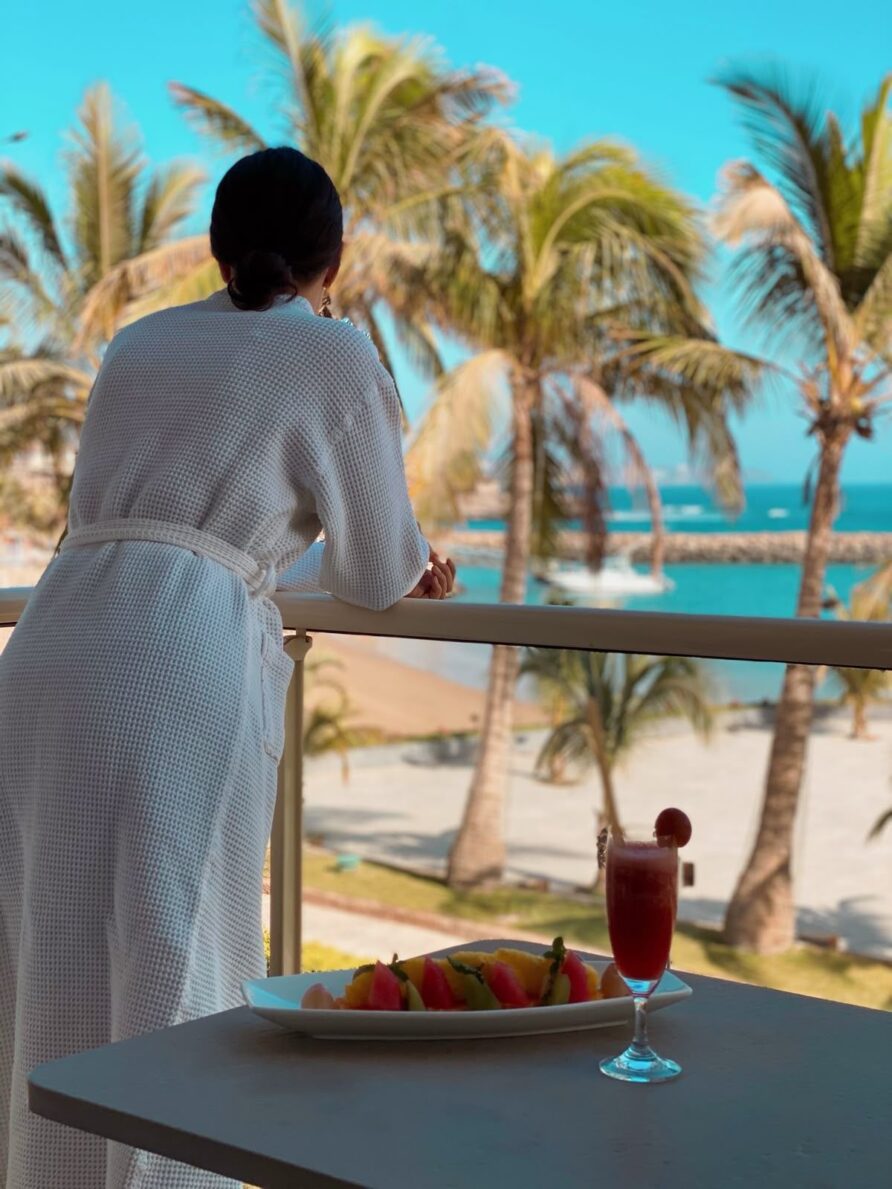
Proximity to the ocean can influence how a property is perceived, how guests experience their stay, and how attractive it may be to certain buyers.
At Marien Residences, the concept is directly connected to beachfront living.
The official project information highlights residences near the beach, access to beach amenities, pools, and services within the surrounding tourism environment.
None of these characteristics automatically makes a property a better investment.
However, they are relevant factors when comparing a beachfront residence with other properties in the same market.
The Importance of Ease of Ownership
Another factor that is often overlooked is practicality.
A property may look attractive as an investment on paper, but if it requires excessive time, effort, or operational involvement, the ownership experience can be very different.
This is why tourism-oriented developments with established services and management structures can be particularly appealing to certain buyers.
A vacation property may require:
- Reservation management.
- Guest communication.
- Check-in and check-out coordination.
- Housekeeping.
- Maintenance.
- Property inspections.
- Guest support.
- Marketing.
- Rate management.
For owners living outside Puerto Plata or outside the Dominican Republic, professional management can be an important consideration.
The objective is not simply to own a property.
It is to have an ownership structure that makes the property practical to use and manage.
Stop Looking Only at the Purchase Price
When buyers evaluate a property, price is usually the first number they consider.
But price alone tells only part of the story.
A lower-priced property may be less attractive if it has weaker demand, a less desirable location, higher operating costs, or fewer amenities.
Likewise, a higher-priced property may offer characteristics that justify a premium, depending on its location, quality, services, and market position.
The question should therefore evolve from:
“How much does it cost?”
to:
“What am I getting for that price?”
And ultimately:
“What opportunities for use does this property offer over the next several years?”
Thinking Beyond the Short Term
The concept of a long-term asset becomes clearer when the ownership horizon extends beyond the next one or two years.
A property can be held for a decade or longer.
During that time, the owner’s circumstances may change.
Someone may initially purchase a residence primarily for vacations and later decide to use it as a second home.
Another buyer may initially focus on rental opportunities and eventually decide to spend more personal time at the property.
This is why flexibility has real value.
A property capable of adapting to different needs may be more useful over time than one designed around a single purpose.
What Should Buyers Consider Before Purchasing a Tourism-Oriented Residence?
Before purchasing, buyers should evaluate the property from several perspectives.
1. Location
It is not enough to know that a property is in Puerto Plata.
The specific location, accessibility, beach proximity, surrounding services, attractions, and future development of the area should all be considered.
2. The Development
Buyers should understand how common areas are managed, which services are included, what amenities are available, and what responsibilities belong to the owner.
3. The Individual Residence
Floor level, orientation, views, size, layout, furnishings, condition, and specific features can influence the desirability of each unit.
4. Ownership Costs
The buyer should understand the complete cost structure associated with ownership rather than focusing exclusively on the purchase price.
5. Rental Policies
If short-term rental is part of the strategy, the buyer should verify the property’s policies and applicable requirements before assuming that a particular rental model will be permitted.
6. Market Demand
Projected performance should be evaluated against real market information and comparable properties.
7. Personal Strategy
Finally, buyers should determine how frequently they expect to use the property and what their primary objective is.
Is it lifestyle?
A second home?
Long-term wealth preservation?
Potential rental income?
Or a combination of these goals?
The answer can significantly influence which property makes the most sense.
The Real Luxury May Be Flexibility
In tourism-oriented real estate, luxury is not necessarily about owning the largest residence.
In many cases, the greater value lies in having choices.
A residence can be the place where a family spends its vacations.
It can serve as a seasonal home.
It can provide a private space for entertaining friends and relatives.
It can remain part of a family’s long-term assets.
And, where permitted and economically viable, it can potentially be offered for short-term rental during periods when the owner is not using it.
That ability to adapt is particularly relevant in destinations such as Puerto Plata, where tourism and residential real estate continue to become increasingly interconnected.
From Vacation Home to Long-Term Asset
Purchasing a residence in Puerto Plata may begin with a simple motivation: owning a place near the sea.
But that decision can take on an entirely different dimension when viewed from a long-term perspective.
The property can become part of a family’s assets.
It can serve as a second home.
It can provide greater flexibility when traveling.
It can be used personally during selected periods.
And, depending on the market and the property’s operating conditions, it may have the potential to generate income when it is not being used.
Marien Residences illustrates this concept in Costa Dorada, Puerto Plata, with beachfront residences positioned within a tourism-oriented environment and supported by amenities and services that expand the ways in which a residence can be experienced.
The decision, however, should begin long before discussing potential returns.
It should begin with a more important question:
What do I want this property to represent five, ten, or fifteen years from now?
If the answer is simply “a place to spend my vacations,” the analysis will be one thing.
If the answer includes lifestyle, flexibility, personal use, wealth preservation, and potential income, the conversation changes entirely.
That is where a tourism-oriented residence can move beyond being simply a vacation property and become another component of a broader long-term wealth strategy.
A New Way to Look at Property Ownership in Puerto Plata
Puerto Plata’s real estate market is entering a stage in which the relationship between tourism and residential property deserves to be viewed from a broader perspective.
Tourism-oriented residences are no longer appealing only to buyers looking for a place to spend their holidays.
They can also attract buyers who see real estate as a combination of lifestyle, personal use, long-term ownership, and potential economic value.
For buyers, this creates an interesting possibility: acquiring a property that can evolve alongside their needs.
It is not necessarily about buying solely to rent.
Nor is it necessarily about buying solely for vacations.
It is about recognizing that both purposes can potentially coexist within the same property when the development, location, rules, management structure, and financial fundamentals support that strategy.
From vacation home to long-term asset: that may be a more complete way to understand beachfront property ownership in Puerto Plata.